

Introduction AI assistants are moving from optional pilots to daily coworkers — and without clear rules they become a source of real risk. When employees lean on consumer models or ad‑hoc tools, companies face immediate exposure: leaked PII, loss of IP, regulatory gaps and reputational harm. That’s why clear workplace policies are no longer optional; […]

Introduction Safety across hybrid worksites has never been more complex: managers and compliance leads are balancing on‑site hazards, home‑office ergonomics, contractor onboarding, and a flood of paperwork — all while regulators expect auditable records and measurable outcomes. Without clear role responsibilities, standardized incident forms, and site‑specific checklists, small gaps become costly disruptions and safety risks. […]

Introduction Harassment complaints expose organizations to real legal and cultural risk — but writing, localizing, and operationalizing policies shouldn’t be a bottleneck. Document automation and AI can draft clear baseline language, generate jurisdiction‑ and role‑specific variants, and spin up secure intake forms and automated acknowledgements so your HR and legal teams can act faster and […]

Introduction Too many policies, not enough attention. If you manage HR, compliance, or legal for a growing remote or hybrid team, traditional handbooks — long PDFs and one-size-fits-all documents — are failing you: people skip them, updates lag, and confusion spikes when it matters most. Micro-module handbooks change the equation by delivering short, role-specific guidance […]

Introduction Getting policies right shouldn’t be a guessing game. As your organization scales, scattered handbooks, inconsistent rules, and unclear ownership create legal exposure, frustrated managers, and patchwork employee experiences. This guide cuts through the noise with a practical framework for identifying the policies you need, assigning clear owners, and structuring HR templates so expectations are […]

Introduction Are inconsistent rules, ad‑hoc warnings, and scattered handbooks creating confusion and legal risk for your growing business? Managers who wear multiple hats need clear, compact employee conduct standards that deliver consistency, fairness, and legal protection. These workplace policies cut through uncertainty with plain‑language guidance on attendance, dress and customer‑facing conduct, conflict disclosures, and practical […]

Introduction Why it matters: Growing a small business means juggling hires, payroll, legal obligations, and culture — and a single unclear rule around pay, leave, or conduct can trigger disputes, fines, or turnover. Clear workplace policies give you consistent decision-making, evidence of compliance, and a straightforward reference for every hire without turning your handbook into […]

Introduction Managing hybrid teams today often feels like juggling different timezones, equipment stipends, security rules, and payroll regimes all at once — and the smallest inconsistency can cause confusion, compliance risk, and costly payroll headaches. Clear workplace policies that spell out hours and availability, equipment and liability, data security, and expense reimbursements are no longer […]
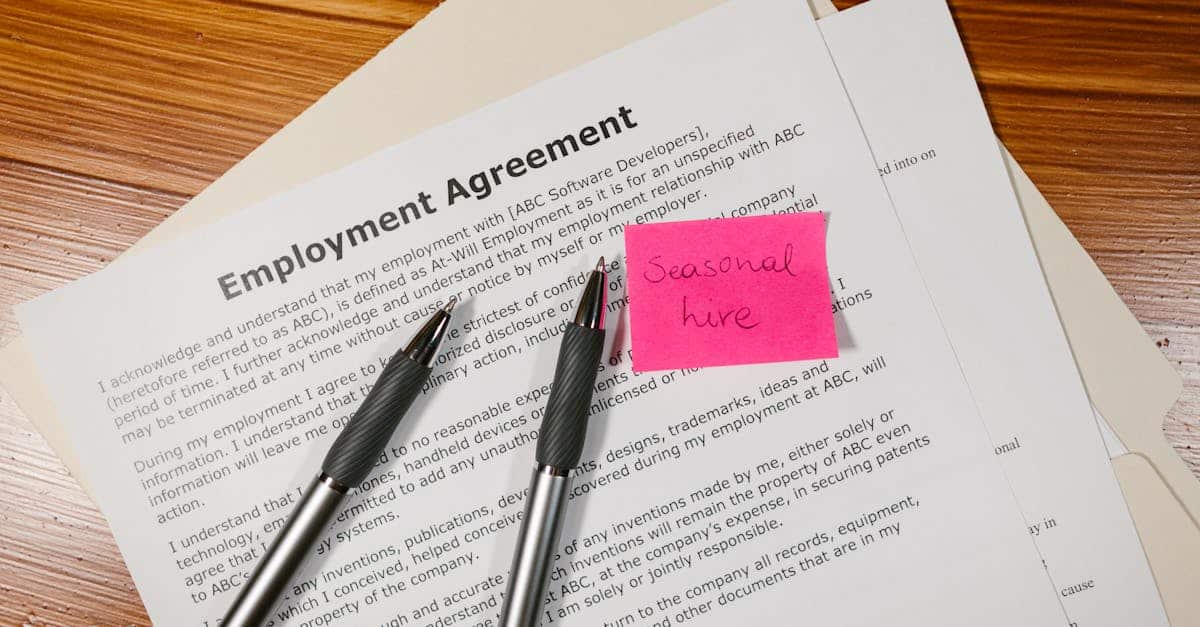
Introduction Why a modern employee handbook matters — HR teams today juggle shifting laws, hybrid work arrangements, and rising expectations for clarity and fairness. An outdated or inconsistent handbook creates compliance risk, muddled manager enforcement, and frustrated employees; what you need is a single, easy-to-navigate source of truth that balances legal rigor with plain-language guidance. […]
- 1
- 2